

What to Do When Your Lease is Up: Renewal vs. Termination in New York
What to Do When Your Lease is Up: Renewal vs. Termination in New York
In New York, the end of a lease can feel daunting. Whether you’re a seasoned renter or this is your first apartment, understanding your options is essential. Do you renew your lease or terminate it? Each choice comes with its own set of considerations. Let’s break down the ins and outs of lease renewal and termination to help you make an informed decision.
Understanding Your Current Lease
Before making any decisions, take a close look at your current lease agreement. Pay attention to the terms regarding renewal and termination. Many leases have specific clauses that outline what happens when the lease term ends, including notice periods and any conditions that must be met for renewal. Familiarizing yourself with these details can help you avoid surprises.
When to Consider Renewal
Renewing your lease can be a smart choice for various reasons. If you’ve settled into your apartment and enjoy the neighborhood, staying put might save you the hassle of moving. Here are some situations where renewal makes sense:
- You’re happy with your current living situation.
- Your rent is below the market rate, making it financially advantageous to stay.
- You have a good relationship with your landlord, which can lead to smoother negotiations.
If you decide to renew, be prepared to discuss potential changes to your lease. This might include rent increases or modifications to your obligations. It’s wise to come prepared with comparable market rates to strengthen your negotiation.
Reasons to Consider Termination
On the flip side, terminating your lease could open new doors. Here are some reasons you might choose to move out:
- Your circumstances have changed, such as a job transfer or family needs.
- You’re looking for a better living situation or more space.
- You’ve noticed significant issues with the property or management that haven’t been addressed.
If you opt for termination, ensure you understand the notice period required. Most leases stipulate that you must provide written notice, often 30 or 60 days in advance. Failing to do so could lead to penalties or the obligation to pay rent beyond your desired move-out date.
Navigating Lease Renewal Negotiations
Once you’ve decided to renew, the negotiation process begins. Approach your landlord with confidence. Express your desire to stay, but don’t shy away from discussing potential rent increases. If your rent is going up, you can use local rental data to back your case. Websites that offer lease templates, like https://pdf-templates.com/new-york-lease-agreement-template/, can provide insights into current market rates.
Understanding Your Rights as a Tenant
New York tenants have specific rights that protect them during the lease renewal or termination process. Familiarize yourself with these rights to ensure you’re treated fairly. For example, in many cases, landlords cannot raise rent beyond a certain percentage without justification. Additionally, you have the right to a habitable living space, meaning the landlord must keep the property in good condition.
Timing Your Decision
Timing is essential when deciding whether to renew or terminate your lease. Start the conversation with your landlord well before your lease expires. Many landlords prefer at least 60 days’ notice for renewals or terminations, so don’t wait until the last minute. Review your options early to avoid any last-minute stress.
Alternative Options: Subletting and Lease Transfers
If you’re uncertain about renewing or terminating, consider subletting your apartment or transferring your lease. This can be a good middle ground, allowing you to retain some financial stability while exploring other options. However, always check your lease agreement—many landlords have specific rules regarding subletting. If you choose this route, communicate openly with your landlord to ensure compliance.
closing thoughts on Lease Decisions
Deciding what to do when your lease is up is not just a logistical challenge; it’s also about your lifestyle and future plans. Whether you choose to renew or terminate, understanding your rights and options can empower you to make the best decision. Remember to take your time, seek advice if necessary, and always keep communication lines open with your landlord. Your living situation is important—make sure it aligns with your needs and aspirations.
-
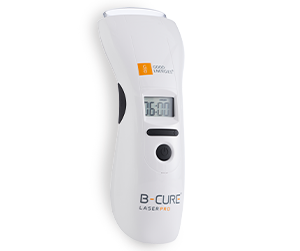
B-CURE LASER PRO
Preț: lei 4.500 Adaugă în coș -
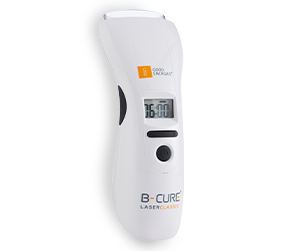
B-CURE LASER CLASSIC
Preț: lei 2.700 Adaugă în coș