

Ways to Properly Delegate Vehicle Ownership Transfers
Ways to Properly Delegate Vehicle Ownership Transfers
Transferring vehicle ownership can be a daunting task. Whether you’re selling a car, passing it down to a family member, or simply needing to delegate the task, understanding the proper processes is vital. Mistakes can lead to legal headaches or financial loss. This guide will walk you through effective strategies for delegating vehicle ownership transfers, ensuring everything goes smoothly.
Understanding Vehicle Ownership Transfers
At its core, a vehicle ownership transfer involves changing the registered owner of a vehicle. This is more than just a handshake; it requires specific documentation and adherence to state regulations. Each state has its own guidelines for transferring ownership, which can include paperwork like the title, bill of sale, and sometimes emissions certificates. Knowing these requirements helps avoid complications later on.
The Role of a Power of Attorney
A Power of Attorney (POA) allows someone to act on your behalf when transferring vehicle ownership. This can be particularly useful if you can’t be present for the transaction or if you simply want to delegate the task to someone trusted. A printable Motor Vehicle POA can streamline this process, ensuring your designated person has the authority to handle the paperwork efficiently.
Choosing the Right Person for Delegation
Not everyone is suited to handle the transfer of vehicle ownership. Select someone who understands the legalities involved and is detail-oriented. This could be a family member, a close friend, or even a professional service. Trust is essential, but so is competence. Ensure the person you choose is reliable and knowledgeable about the process.
Essential Documentation for Transfer
The success of a vehicle ownership transfer hinges on the proper documentation. Here’s a quick checklist of what you’ll typically need:
- Vehicle title signed by the current owner
- Bill of sale that details the transaction
- Proof of identity for both parties
- State-specific forms (like odometer disclosure)
- Payment for any applicable transfer fees
Make sure all documents are filled out correctly to prevent issues at the DMV or local agency. Missing a signature or having incorrect information can delay the process.
Communicating Clearly with Your Delegate
Once you’ve chosen a delegate, clear communication is key. Explain the process in detail—what documents they need, where to go, and any specific instructions they must follow. Providing them with a checklist can be particularly helpful. Don’t hesitate to answer any questions they might have. The smoother the communication, the more likely the transfer will go off without a hitch.
Understanding State Regulations
Each state has unique laws regarding vehicle ownership transfers. Familiarize yourself with your state’s requirements, as they can vary widely. Some states require additional forms or inspections, while others might have specific deadlines for submitting paperwork. Researching these regulations beforehand can save a lot of time and frustration. If you’re unsure, consult your local DMV or a legal expert to clarify any concerns.
Follow-Up After the Transfer
Once the transfer is complete, don’t forget to follow up. Ensure that the new owner receives the title and that all records are updated. This is also a good time to remove the vehicle from your insurance policy. Keeping a record of the transfer can be beneficial in case any disputes arise in the future. Simple follow-up steps can save you from potential headaches down the road.
-

B-CURE LASER PRO
Preț: lei 4.500 Adaugă în coș -
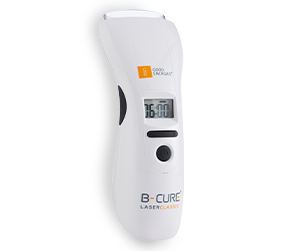
B-CURE LASER CLASSIC
Preț: lei 2.700 Adaugă în coș