

Understanding the Power of Attorney: Types and Uses
Understanding the Power of Attorney: Types and Uses
Power of Attorney (POA) is a legal document that allows one person to act on behalf of another. It’s a critical tool in estate planning and can also play a significant role in managing finances and healthcare decisions. But not all Power of Attorney documents are the same. Understanding the different types and their specific uses can help you make informed choices about your future and that of your loved ones.
What is Power of Attorney?
At its core, a Power of Attorney grants authority to one person (the agent) to make decisions for another (the principal). This can cover a wide range of actions, including financial transactions and medical decisions. The main idea is simple: when you can’t act for yourself, someone else can do it in your stead.
Imagine you’re traveling abroad and suddenly fall ill. If you don’t have a Power of Attorney in place, decisions about your health care may fall to family members who might not know your preferences. A well-drafted POA ensures your wishes are honored, even when you can’t voice them yourself.
Types of Power of Attorney
There are several types of Power of Attorney, each tailored to specific needs. Here’s a breakdown:
- General Power of Attorney: This grants broad authority to your agent, allowing them to act in a multitude of situations. It’s often used for financial matters.
- Limited Power of Attorney: This is more specific. You might grant someone the power to sell a property or manage a single transaction.
- Durable Power of Attorney: This type remains effective even if you become incapacitated. It’s vital for long-term planning.
- Healthcare Power of Attorney: This allows your agent to make medical decisions on your behalf if you’re unable to do so.
Each type serves a unique purpose. For instance, if you’re worried about future health issues, a Durable and Healthcare Power of Attorney should be a priority.
Why You Need a Power of Attorney
Having a Power of Attorney is like having an insurance policy for your decision-making authority. Without one, you risk leaving critical decisions in the hands of the court or someone who may not have your best interests at heart. Consider a scenario where an unexpected accident leaves you unconscious. Without a POA, your family may face delays and legal hurdles, impacting their ability to act swiftly on your behalf.
In practical terms, a POA can save time, reduce stress, and ensure that your wishes are respected. It’s not just a formality; it’s a safeguard for your future.
How to Create a Power of Attorney
Creating a Power of Attorney involves several key steps. First, think about who you trust to act on your behalf. This person should be responsible and understand your values and preferences.
Next, decide what powers you want to grant. You can choose to give broad or limited authority, depending on your needs. Once you’ve made these decisions, consult legal resources or professionals to draft the document. For a straightforward solution, you can use templates available online. For example, https://ncformsonline.com/blank-power-of-attorney-form/ provides a solid starting point.
Finally, ensure that the document is signed and witnessed according to your state’s laws. This step is often overlooked but is crucial for the document’s validity.
Common Misconceptions About Power of Attorney
Many people have misconceptions about what a Power of Attorney can and cannot do. One common myth is that a POA gives someone complete control over your life. In reality, the powers granted can be as broad or narrow as you choose.
Another misconception is that a Power of Attorney becomes invalid upon your death. While it does cease to be effective, the authority transitions to your estate executor. Knowing this can clarify the role a POA plays in the larger context of your estate planning.
Revoking a Power of Attorney
Life changes, and so can your need for a Power of Attorney. You might decide to revoke it if your circumstances shift, like changing your mind about who should represent you. The good news is that revoking a POA is straightforward.
To revoke a Power of Attorney, you’ll need to create a written revocation document, notify your agent, and inform any relevant institutions that might have a copy of the original POA. This proactive approach helps avoid confusion and ensures that your current wishes are clear.
Final Thoughts
Understanding the different types of Power of Attorney and their uses is essential for effective planning. It empowers you to make informed decisions about your future. Whether it’s for financial management or healthcare decisions, having a POA in place can provide peace of mind. Don’t underestimate its value. Take the steps today to secure your wishes for tomorrow.
-
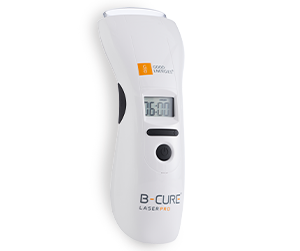
B-CURE LASER PRO
Preț: lei 4.500 Adaugă în coș -
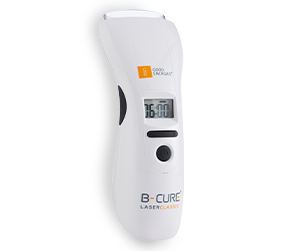
B-CURE LASER CLASSIC
Preț: lei 2.700 Adaugă în coș